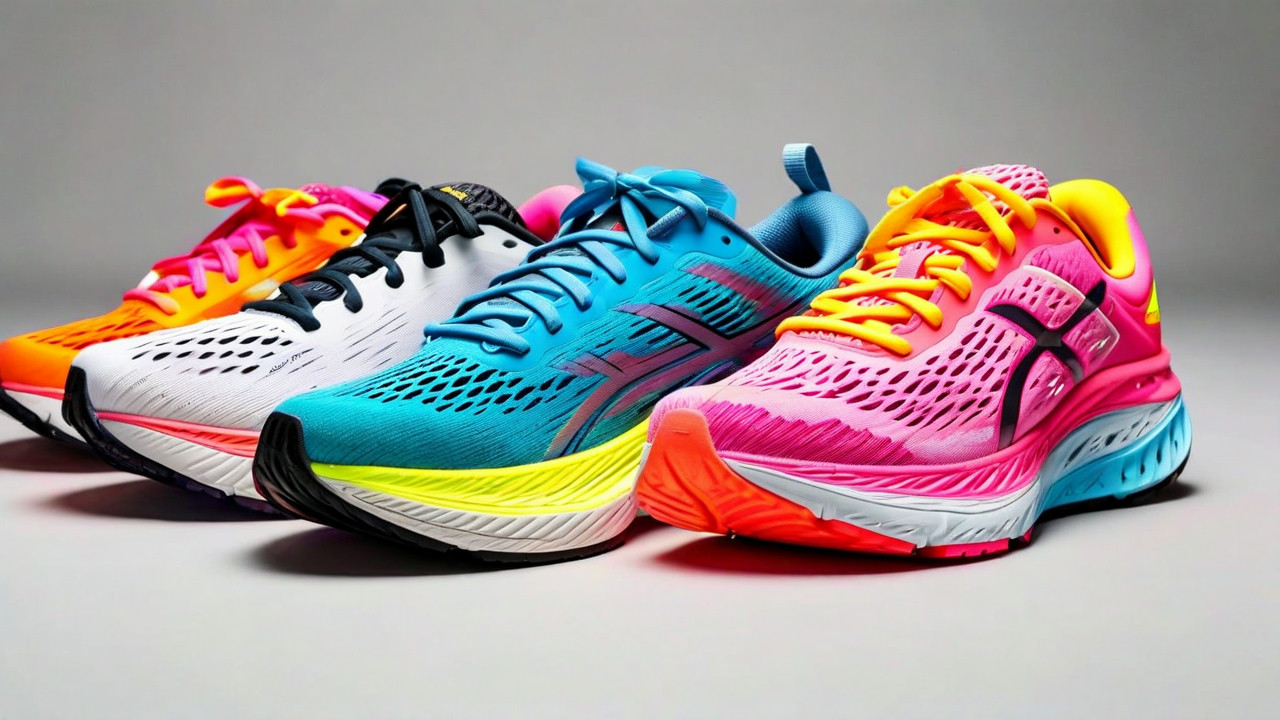
Like many runners, my journey to finding the perfect running shoes wasn’t straightforward and still continues. Number of running shoes one should have is always N+1 where N is existing number of running shoes you own! When I first started running, I grabbed whatever looked good on the shelf, unaware that my overpronation was setting me up for future discomfort. After experiencing persistent blisters and bunion pain for last few years, I realized I needed to understand more about how my feet moved and what support they needed. Let me share what I’ve learned along the way.
Understanding Pronation: The Foundation of Shoe Selection
Pronation is simply how your foot rolls when it hits the ground during running or walking. Think of it as your body’s natural shock-absorption system. While some pronation is normal and necessary, too much or too little can lead to problems. There are three main types of pronation patterns: neutral pronation (where your foot rolls inward naturally), overpronation (excessive inward rolling), and underpronation or supination (insufficient inward rolling).
In my case, I discovered I was an overpronator. My feet would roll excessively inward with each step, leading to blisters and bunion pain. This revelation led me to explore different types of running shoes, each designed to address specific pronation patterns.
The World of Running Shoes
Neutral Running Shoes
These shoes are designed for runners with neutral pronation or mild underpronation. They offer balanced cushioning without interfering with your natural foot motion. This is your regular running shoe and should work well for most people.
Stability Running Shoes
These shoes feature additional support elements, particularly on the inner (medial) side of the shoe, designed to prevent excessive inward rolling. They’re ideal for runners with mild to moderate overpronation who prefer built-in support.
Motion Control Shoes
These are the heavy-duty supporters of the running shoe world. They’re built for severe overpronators or runners with flat feet, offering maximum stability and control. While these shoes can be incredibly helpful for some runners, they might feel too restrictive for others.
Minimalist and Maximalist Options
The running shoe spectrum also includes minimalist shoes (which promote natural foot movement with minimal cushioning) and maximalist shoes (which offer maximum cushioning). These options work well for runners with neutral pronation or those who have developed strong foot muscles through proper training.
Finding My Solution: The Insoles
After trying various shoe types, my breakthrough came when a podiatrist suggested custom orthotics. This was a game-changer for my running comfort. I found that combining neutral running shoes with custom orthotics gave me a good balance – the natural feel of neutral shoes with targeted support where I needed it most. The beauty of insoles is their versatility – they can be used with different types of running shoes to provide personalized support.
There are two main insole options:
Over-the-Counter (OTC) Insoles
These are readily available and can be a good starting point for runners needing extra support. They come in various forms, from simple cushioning inserts to more structured support options.
Custom Orthotics
These are what worked best for me. Prescribed by healthcare professionals and molded to your specific foot shape, custom orthotics address individual biomechanical issues. While they require a bigger initial investment, their targeted support can be invaluable to prevent injuries long term.
Making Your Choice
Finding your ideal running shoe setup is a personal journey. Here’s what I recommend based on my experience:
Start by understanding your pronation type. Watch your walking pattern in a mirror, check your current shoes’ wear patterns, or better yet, get a professional gait analysis at a specialty running store.
Consider your running goals. Are you training for a marathon or just doing casual jogs? Different distances and intensities might require different levels of support.
Don’t ignore discomfort. If you’re experiencing persistent pain or discomfort, don’t push through it. This might be your body telling you that your current setup isn’t providing the support you need.
Be open to combinations. Sometimes, the perfect solution isn’t just one product but a combination – like in my case, where neutral shoes with custom orthotics provided the ideal support.
My journey from basic running shoes to finding the perfect combination of neutral shoes and custom orthotics taught me that finding the right running support is often a process of trial and error. Don’t be discouraged if your first choice isn’t perfect – keep exploring until you find what works for you. Remember, the goal is to run comfortably and injury-free, whether that means a simple neutral shoe or a more complex combination of supports.